What Are You Looking For?


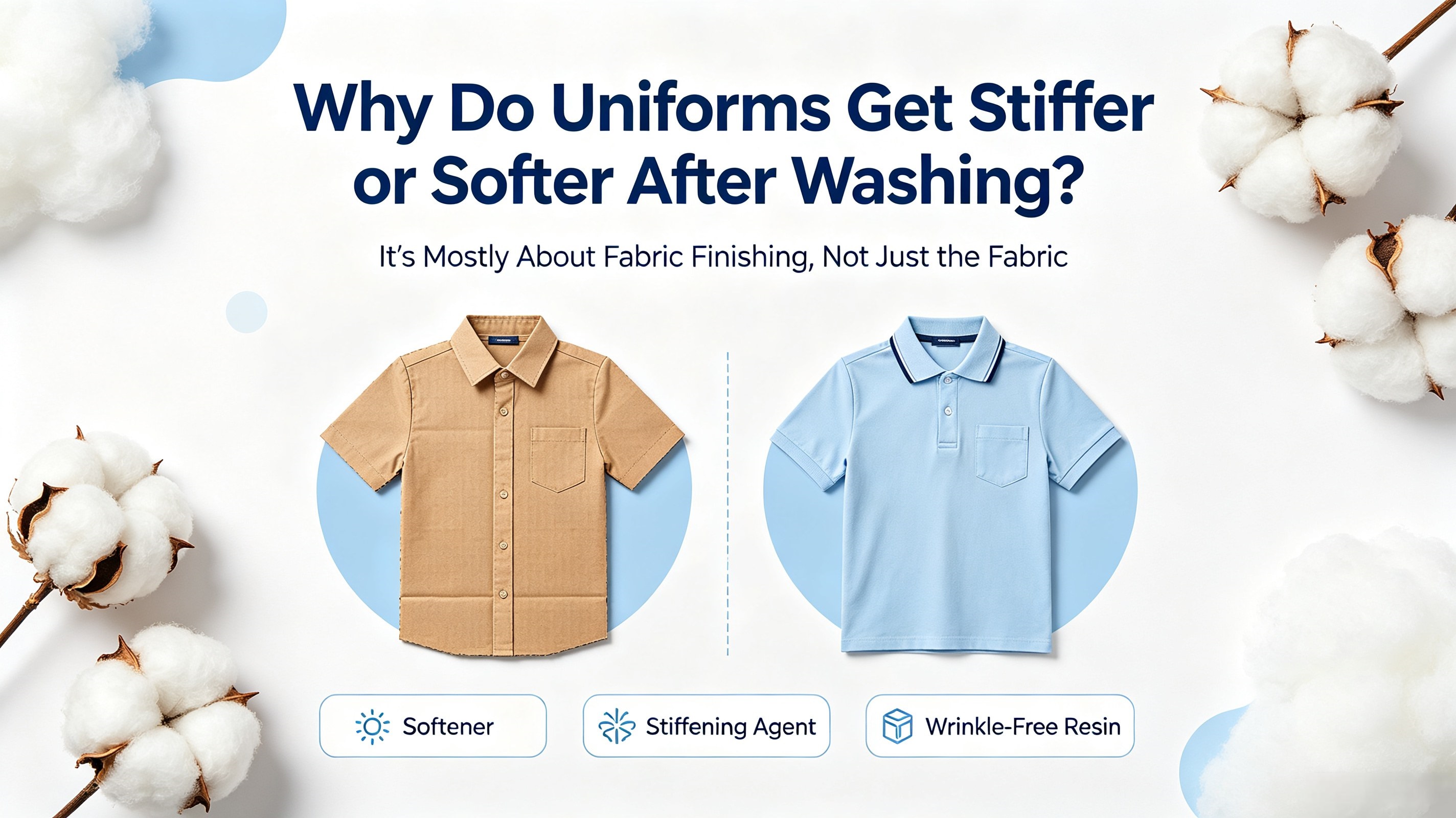
Ever noticed this? Two brand-new uniforms—one turns stiff as cardboard after a few washes, the other gets softer and more comfortable over time. My mom used to complain all the time: "How come this T-shirt gets all crunchy after washing, but that one just keeps getting nicer?" It's actually not about the fabric itself—it's mostly about finishing processes. Let's break it down.
First, what exactly is "finishing"?
When fabric comes out of the textile mill, it's pretty rough—stiff hand-feel, fuzzy surface, prone to shrinking and wrinkling. Finishing is the chemical or mechanical treatment that "polishes" the fabric to make it comfortable, good-looking, and easy to care for.
There are dozens of finishing techniques out there. The ones that affect "soft" vs. "stiff" are mainly three:
--------------占位---------------
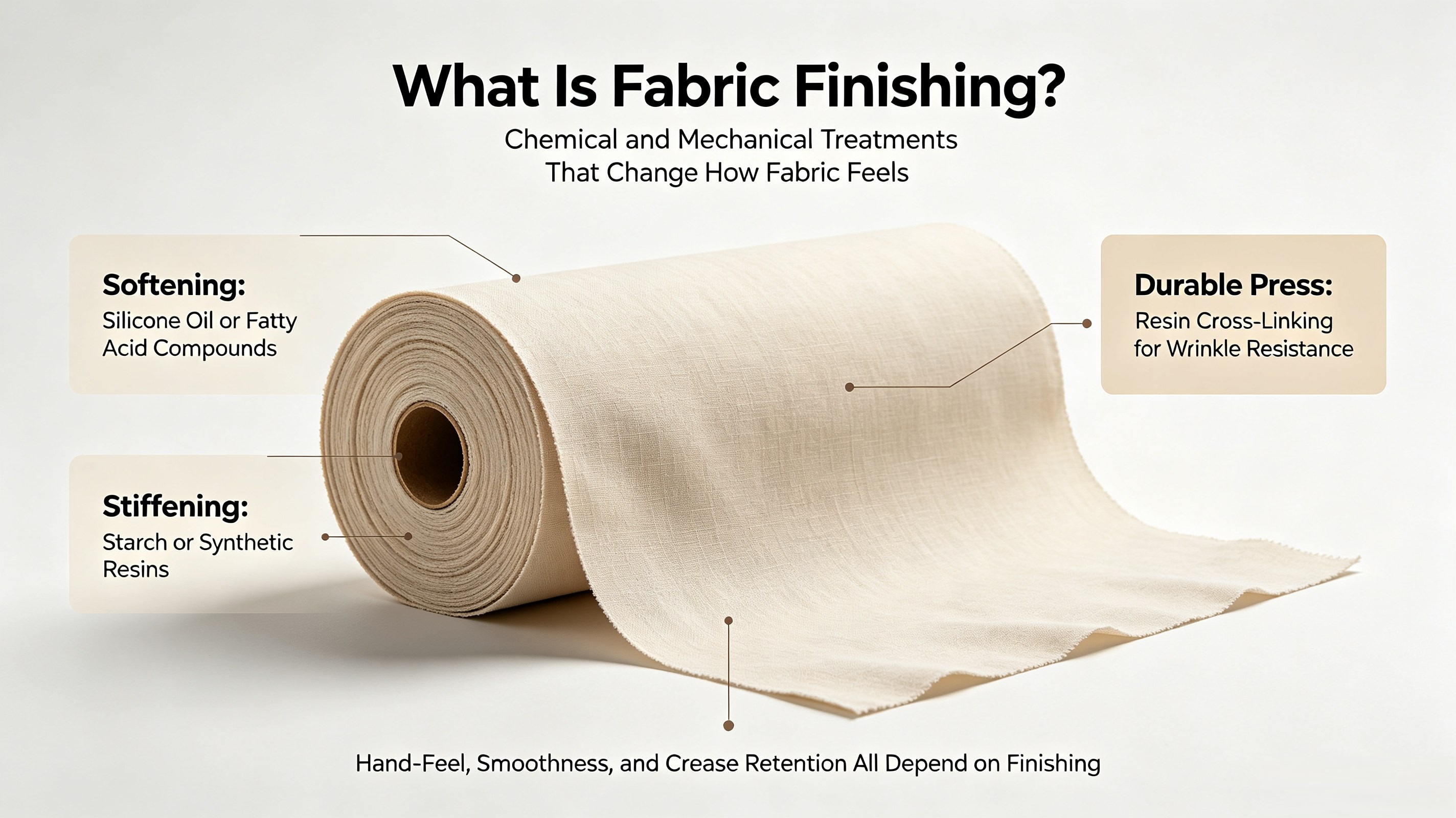
1. Softening – Adding softeners (usually silicone oils or fatty acid compounds) to make fiber surfaces slippery, so the fabric feels smooth and drapey. That ultra-soft feel on a brand-new cotton T-shirt? Mostly softener.
2. Stiffening – Adding sizing agents (starches or synthetic resins) to make the fabric crisp and structured. Shirt collars and trouser creases depend on this. Some summer uniform shirts feel stiff and sharp when new—that's stiffening at work.
3. Durable press (wrinkle-free) finishing – Using resin cross-linking agents to "lock" fiber molecules so they resist wrinkling. This also tends to make the fabric stiffer. Ever noticed wrinkle-free shirts feel a bit boardy? That's why.
Now with that background, let's answer the "why."
--------------占位---------------
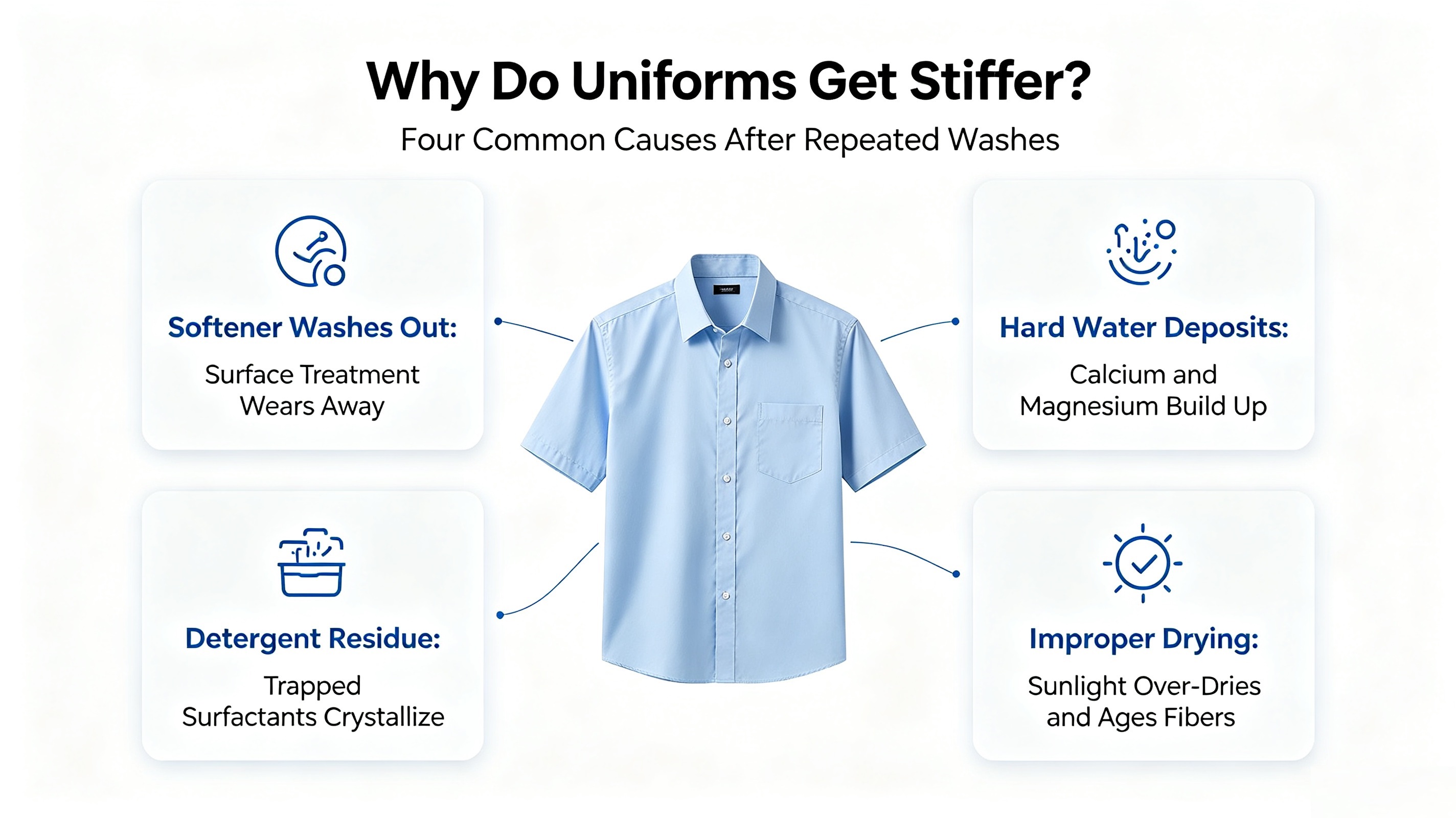
Why do some get stiffer? Four usual culprits
Reason #1: Softener washes out
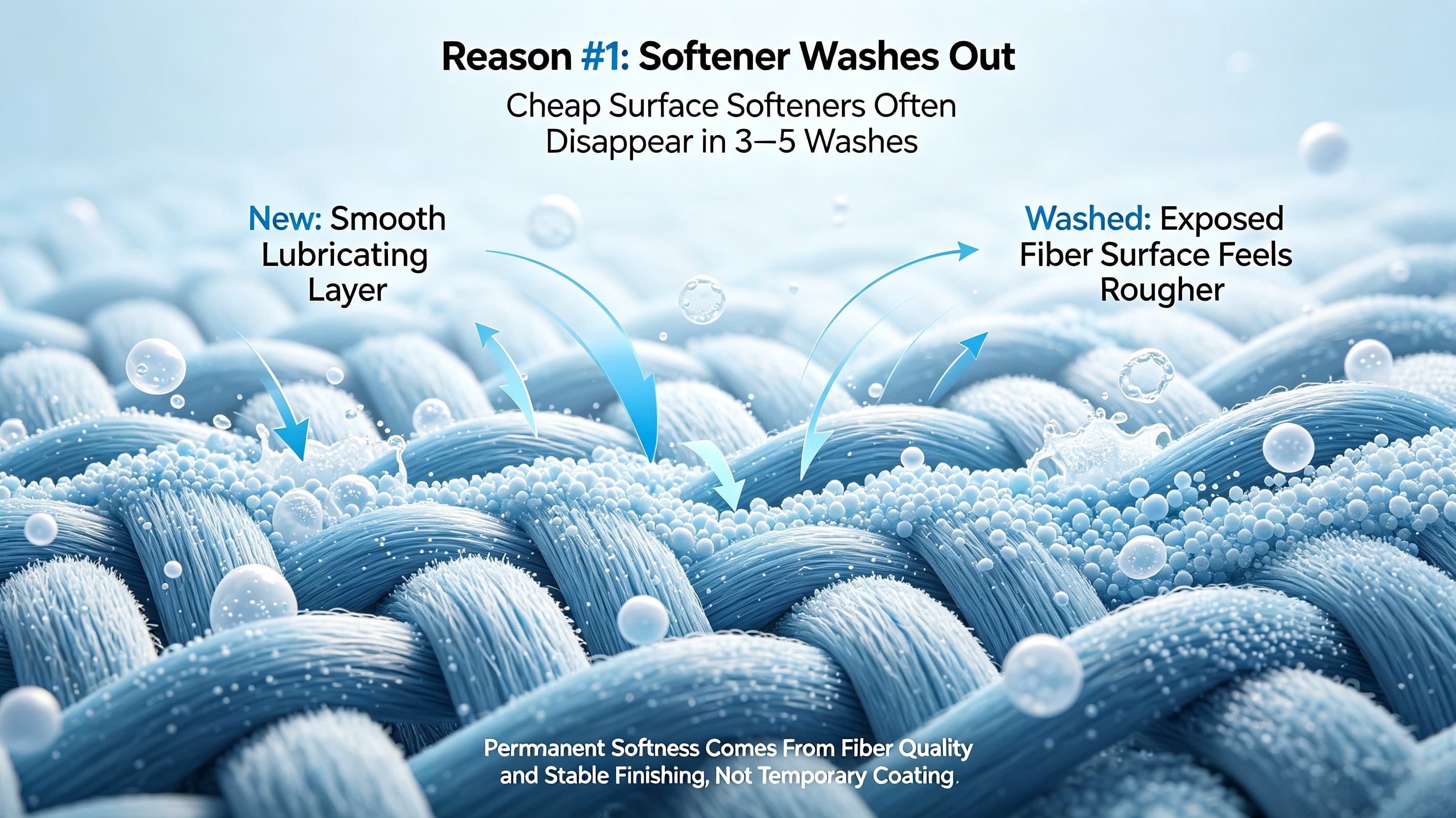
This is the most common case. Many fabrics get dosed with softener at the factory, but softeners sit on the fiber surface—they're not permanently bonded inside. Every wash, the surfactants in your detergent gradually emulsify and carry away the softener. Once it's gone, the fiber shows its true nature—cotton isn't actually that soft to begin with; it has a natural crispness. Without the lubricating softener, it feels rough and stiff.
Cheaper uniforms are especially prone to this. To cut costs, manufacturers might apply only a surface-level softener treatment, using cheap softeners that don't survive many washes. Three or five cycles later, the softness is gone and you're left with the crunchy core.
--------------占位---------------
Reason #2: Calcium and magnesium deposits from hard water
If you live in a hard-water area, the calcium and magnesium ions in tap water attach to the fibers, forming microscopic "scale." These ions make fibers brittle and stiff, and they accumulate with each wash. You've probably noticed towels get stiff in hard-water regions too—same thing.
Reason #3: Detergent residue
If laundry detergent isn't rinsed out thoroughly, leftover surfactants and alkaline residues stay trapped in the fiber gaps. When they dry, they crystallize and act like glue, sticking fibers together. The fabric turns stiff. This is worse with soap-based detergents in hard water—they form insoluble calcium soap scum that coats the fabric, and the feel is almost like sandpaper.
Reason #4: Improper drying
Direct sunlight over-dries cotton fibers, making them brittle. UV exposure accelerates fiber aging, and the hand-feel stiffens over time. If you sun-dry cotton till it's bone-dry, the softness drops noticeably.
--------------占位---------------
And why do some get softer?
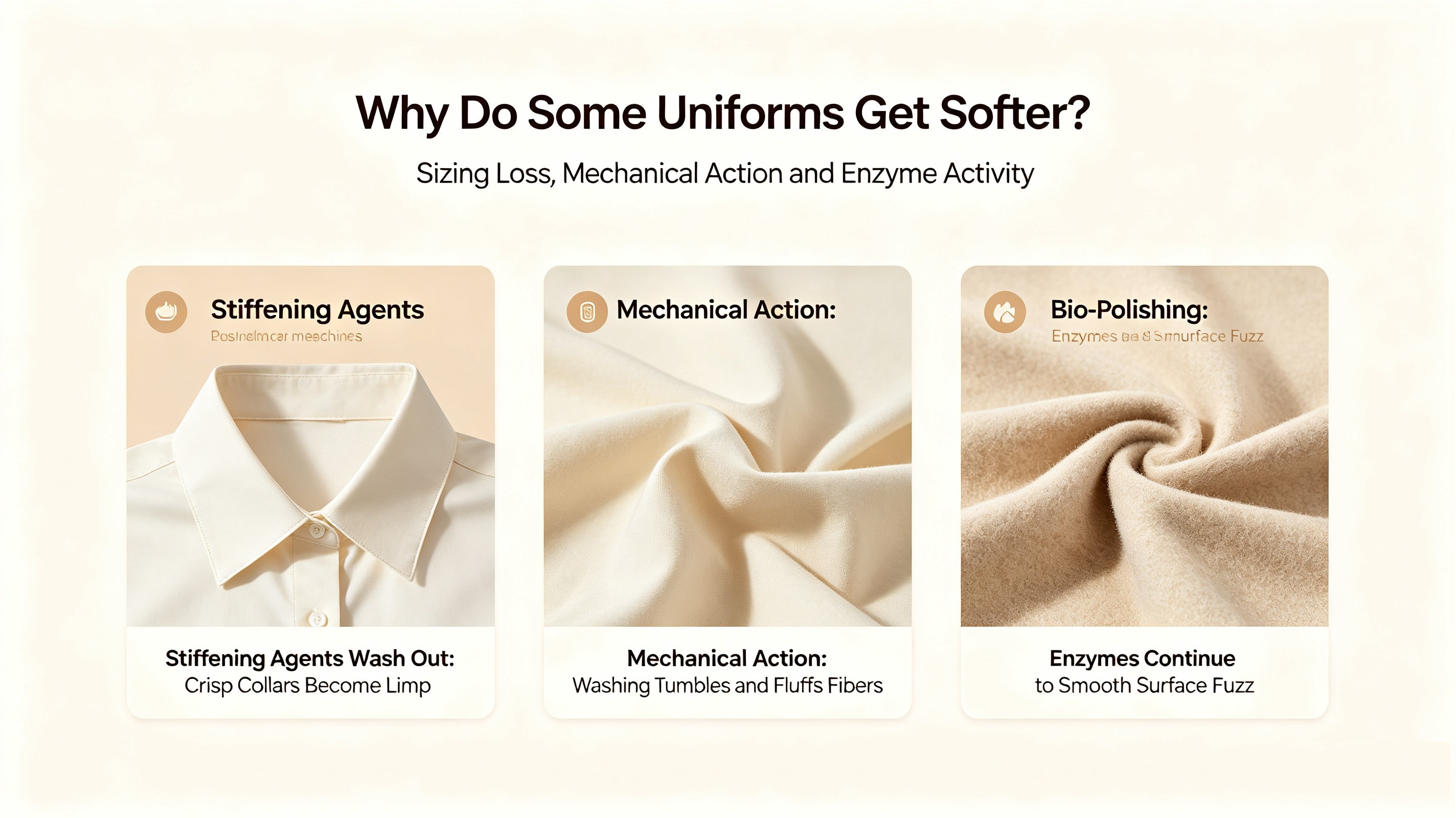
On the flip side, some uniforms get softer with washing. That usually happens because:
Case #1: Stiffening agents or sizing wash out
Some fabrics get heavy sizing or stiffener at the factory to look sharp and crisp—better shelf appeal. But these agents are water-soluble or weakly soluble, so they wash right out. Once they're gone, the fibers return to their natural, looser state, and the fabric feels softer. That crisp new shirt collar that goes limp after a few washes? That's sizing loss.
--------------占位---------------
Case #2: Mechanical action fluffs up the fibers
The tumbling and beating inside a washing machine act as repeated "mechanical softening." Fiber-to-fiber cohesion loosens, yarns become puffier, air gets trapped, and the fabric naturally softens. Same reason jeans get more comfortable the more you wear them—mechanical action tames the fibers.
Case #3: Enzyme action continues
Some fabrics undergo "bio-polishing" during production—cellulase enzymes break down surface fuzz and micro-protrusions, leaving a smooth, soft finish. But the enzyme activity can continue during washing (if the temperature is right), or leftover fuzz that wasn't fully removed keeps shedding over subsequent washes, so the softness keeps improving.
--------------占位---------------
Any way to keep your uniform at a happy medium? A few practical tips
Now that you know the causes, you can take action—don't let your uniform go downhill after a few washes.
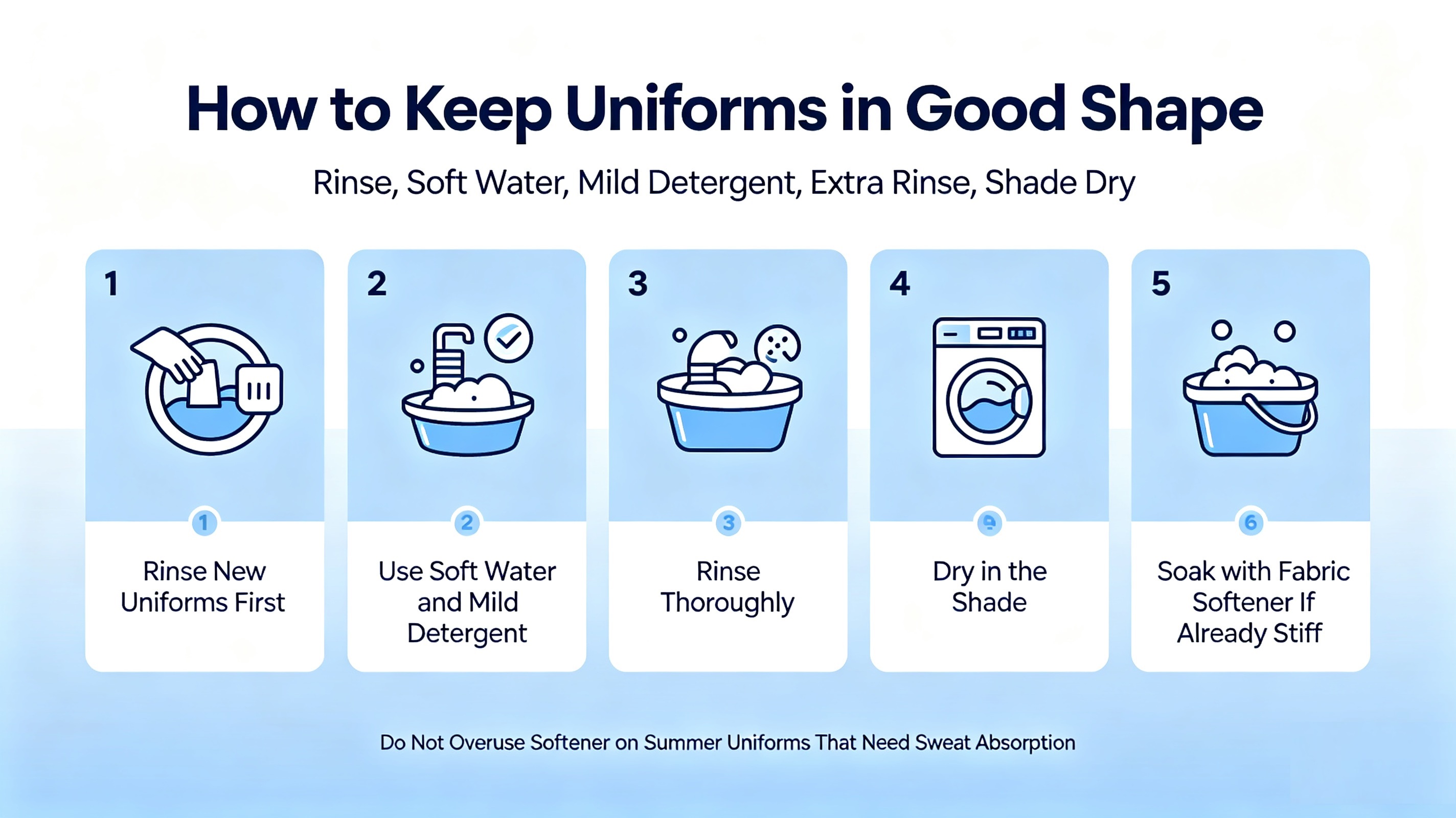
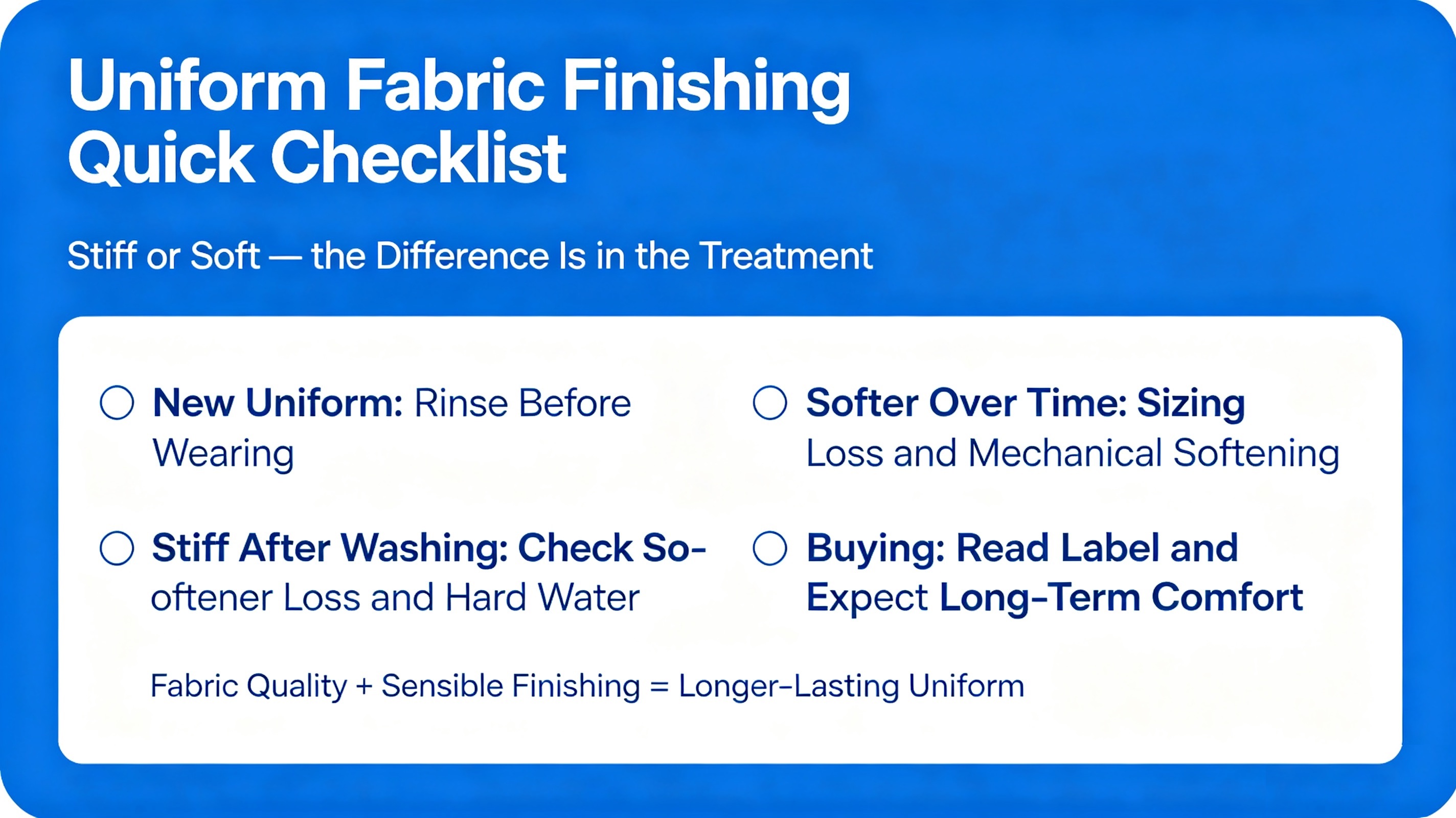
Ø Tip #1: Rinse new uniforms before wearing. No matter how soft or stiff they feel out of the package, new clothes have softeners, sizing, and chemical residues on them. Give them one wash to remove surface colors and chemicals before wearing. The feel after that first wash is the real baseline.
Ø Tip #2: Use soft water and mild detergents. If possible, wash with soft water (like from a water softener) to reduce calcium/magnesium buildup. Use neutral or slightly acidic liquid detergents, not heavy-duty alkaline powders—they're gentler on cotton fibers.
Ø Tip #3: Rinse thoroughly—don't cut corners. Run an extra rinse cycle to get rid of detergent residue. Residuals are a major contributor to stiffness.
--------------占位---------------
Ø Tip #4: Dry in the shade, avoid direct sun. Hang clothes in a ventilated, shaded area to dry slowly. Don't bake them under harsh sunlight. If you need speed, use a low-temperature dryer—but skip the high-heat setting.
Ø Tip #5: If it's already stiff, give it a fabric softener soak. Commercial fabric softeners are essentially cationic softeners that re-form a lubricating film on fiber surfaces, restoring softness. But the effect doesn't last beyond the next wash, and overusing softener reduces absorbency—especially a problem for summer uniforms that need to wick sweat. So use it sparingly.
---
One honest piece of advice
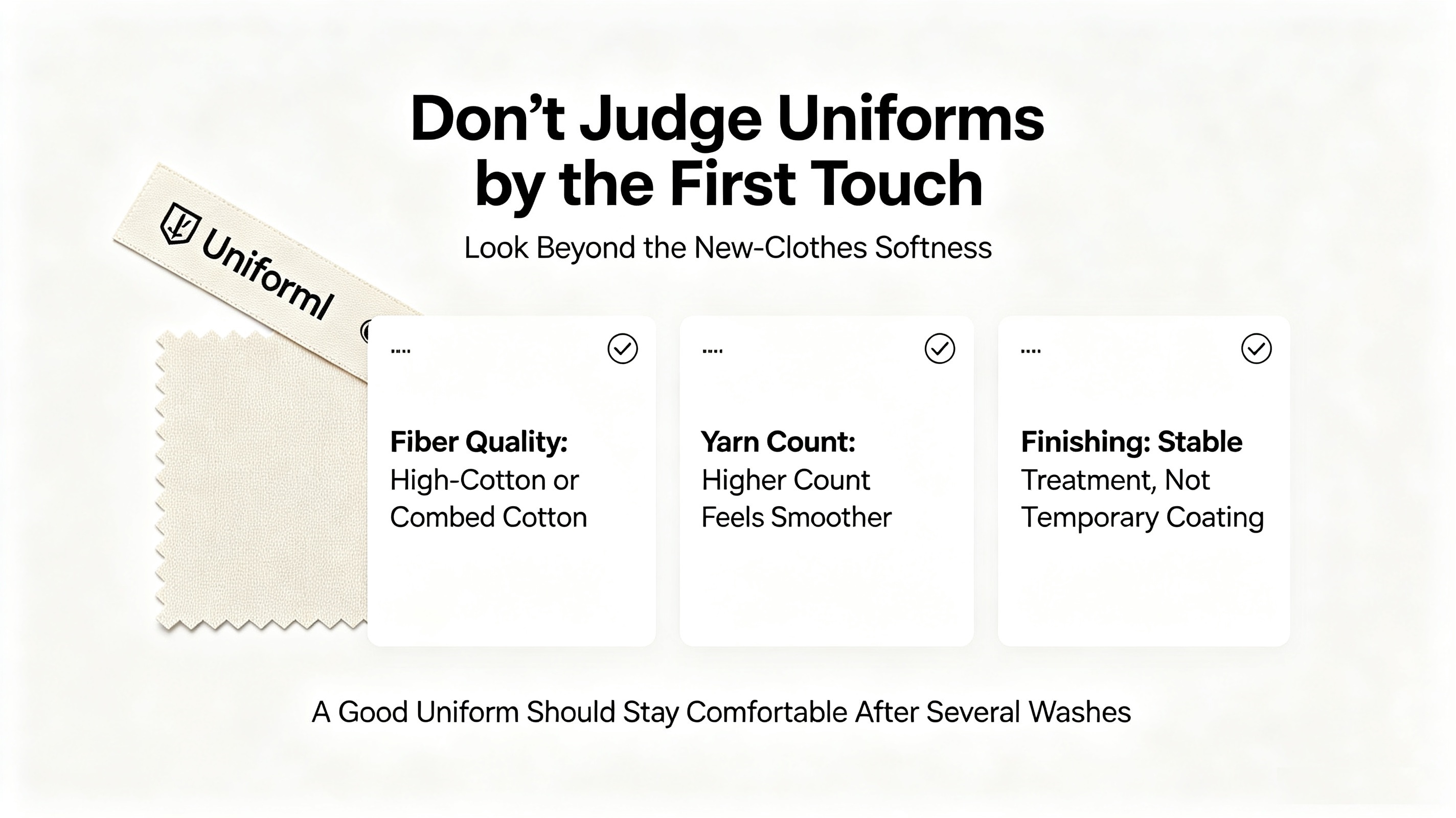
When buying a uniform, don't put too much stock in the "right-out-of-the-package" feel. Some manufacturers load up on softener just to make you go "wow, so soft," but two washes later the truth comes out. A truly good fabric relies on the quality of the fibers themselves and sensible finishing processes—not a chemical coating that washes off in a few cycles.
Look at the label. If the fabric has high cotton content and a high yarn count (like combed cotton), even if it stiffens up a bit after washing, that's just the natural state of the fiber. It will gradually soften again as you wear it—body heat and friction "revive" the fibers. If the base fabric is cheap poly-cotton, piling on softener is just a band-aid.
So don't panic about changes after washing. Once you know what kind of "constitution" your uniform has, and you treat it right, it'll serve you well for a whole semester or longer.
--------------占位---------------