What Are You Looking For?

In the B2B manufacturing sector, OEM and ODM represent more than production models; they define the final product’s identity. For clients seeking uniqueness and brand recognition, understanding how these models empower your project is essential.
1. Precision Positioning: The Difference Between OEM and ODM
OEM (Original Equipment Manufacturer): You provide the designs, patterns, and specifications. We leverage our manufacturing excellence to replicate them with 1:1 accuracy. Ideal for clients with mature design teams requiring high-precision production.
ODM (Original Design Manufacturer): You provide requirements (e.g., “We need a retro-American style uniform” or “Management workwear with anti-static properties”). We provide comprehensive solutions including fabric selection, pattern design, color matching, and detailing.
Illustration Suggestion: A comparison chart. Left side: OEM flow (Client Design → Factory Production). Right side: ODM flow (Requirement Communication → Factory Proposal → Sample Approval → Production).
2. Breaking Homogenization: Exclusive Designs & Fit
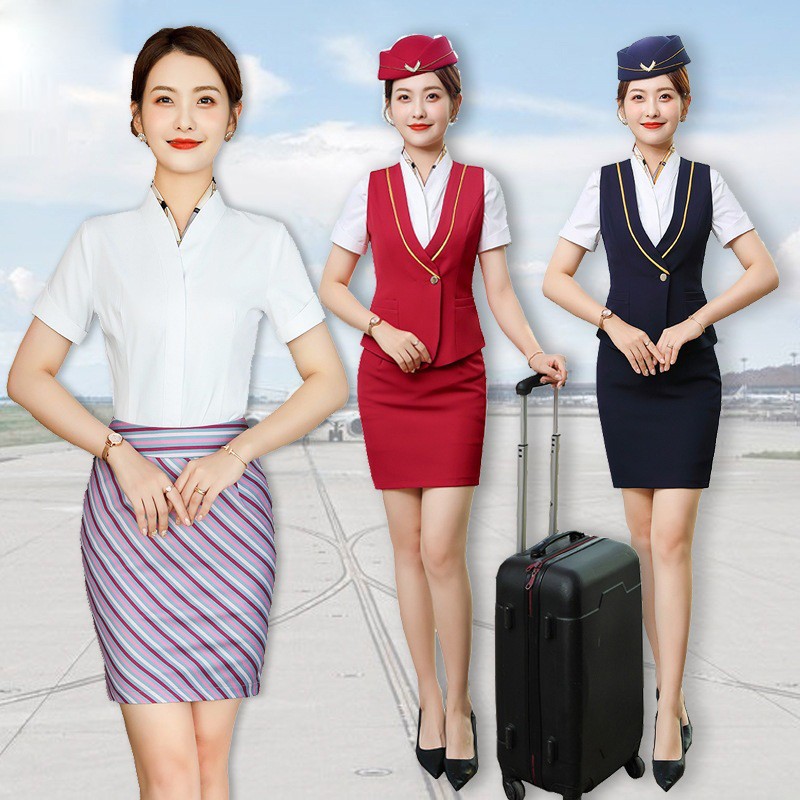
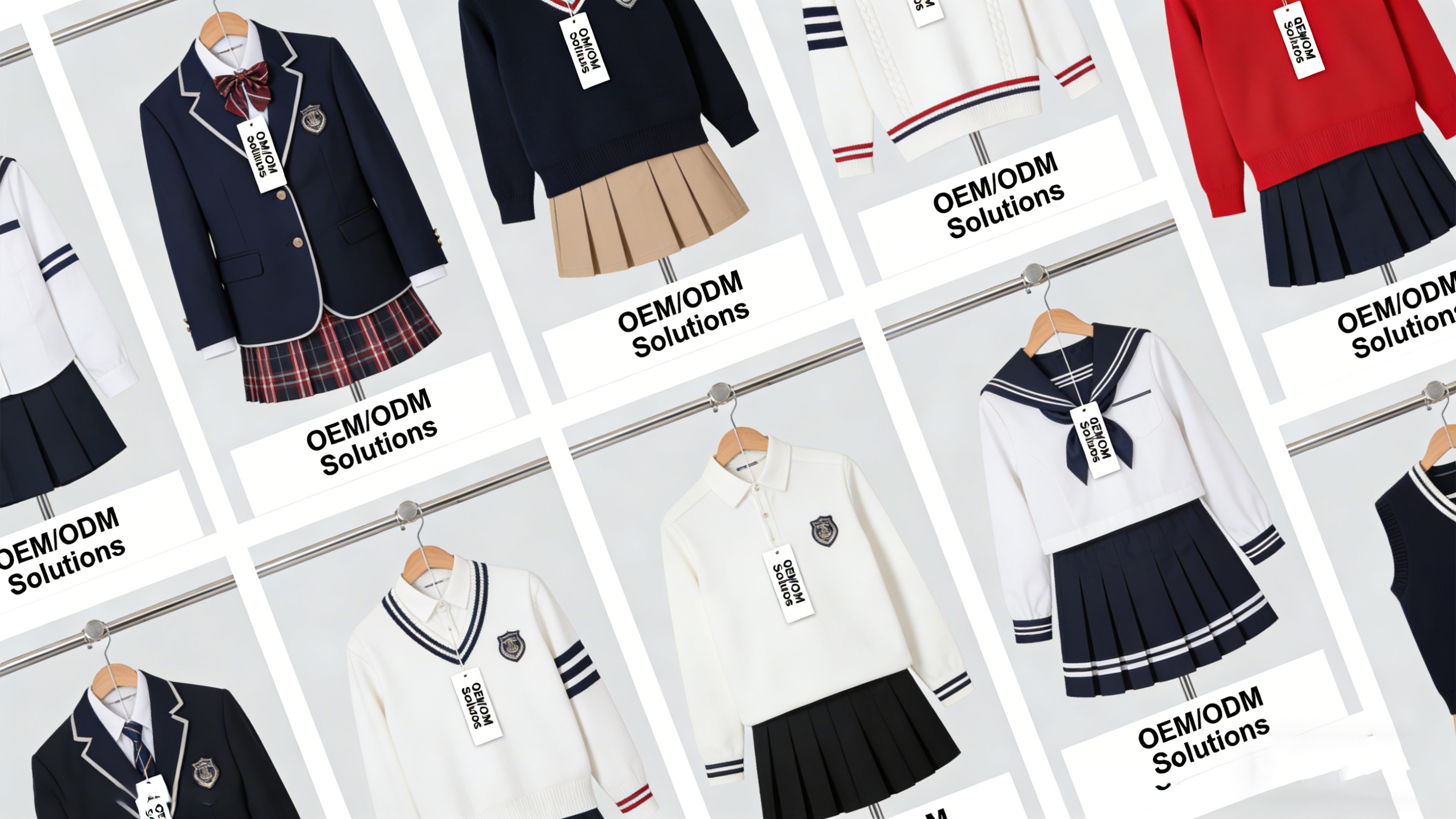
Generic uniforms fail to reflect a school’s or company’s identity. With ODM uniform customization, we integrate logos, corporate colors, and cultural elements into the garments.
Customization Highlights: We offer diverse fit solutions for different body types. Details like custom webbing on collars or embroidered logos on cuffs often determine the sense of belonging and pride for the wearer.
3. Balancing Function and Aesthetics: Custom Fabric & Technology
B-end clients often struggle with the trade-off between visual appeal and durability. We solve this through customized fabric development.
Case Study: For active school uniforms, we use high-count cotton blended with elastic fibers to maintain comfort while enhancing wrinkle resistance and mobility. For workwear, we offer functional finishes such as Anti-Static, Flame-Retardant, and Oil-Repellent properties.
4. Flexible Production & Zero Inventory Pressure
Many B2B clients worry about “high MOQ” (Minimum Order Quantity) or “difficult reorders.” As a professional OEM uniform manufacturer, we implement flexible production models.
Service Advantages:
Low MOQ: We support trial sample orders and small batches to validate market feedback.
Strategic Material Reservation: We recommend clients set up “strategic fabric reserves” stored in our warehouse, enabling “produce on demand” and significantly reducing capital occupancy and storage costs.
5. Visualized Production Process
We understand that trust is the currency of B2B procurement. From sample confirmation, we establish a dedicated project group for you.
Transparent Process: We send regular Production Progress Reports containing photos of cutting, sewing, ironing, and packing stages. This allows you to monitor your order status in real-time, even from across the ocean.
Illustration Suggestion: A photo of a production dashboard showing completion percentages for various orders, or a screenshot of a client viewing live factory footage via a mobile app.