

What Are You Looking For?
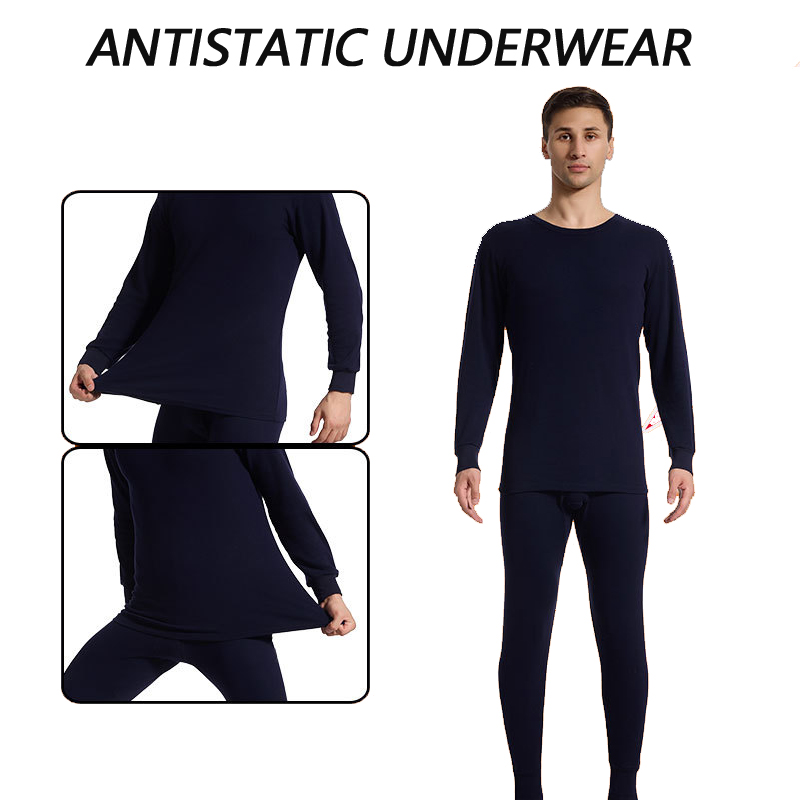


Afterflame time :
Warp 0sAfterflame time :
Weft 0sBursting strength :
658KPaColor fastness to washing :
Color change ≥Grade 4 after washingAntistatic charge quantity :
<0.60μC

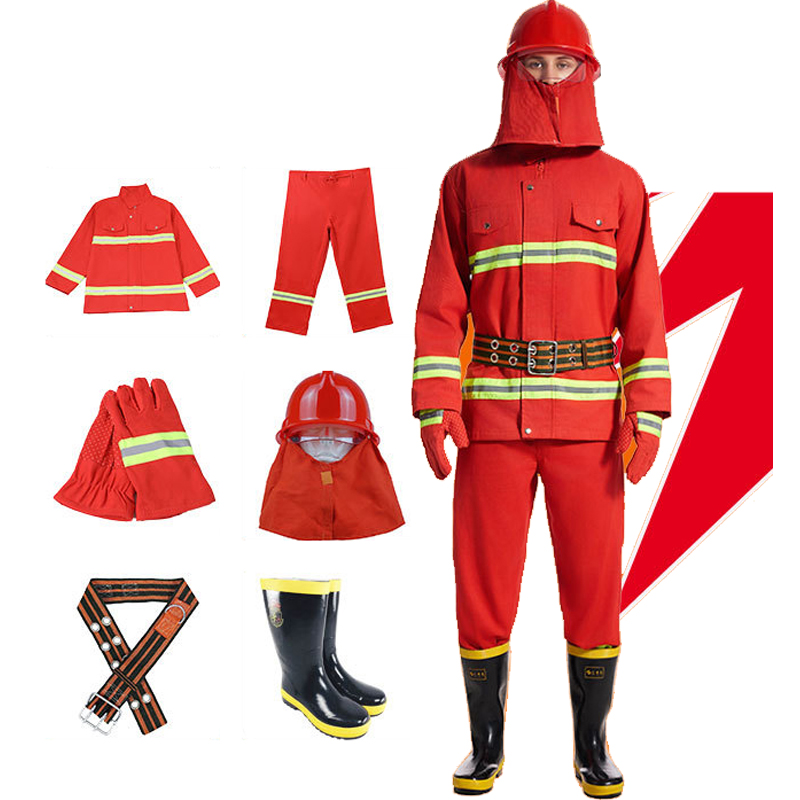
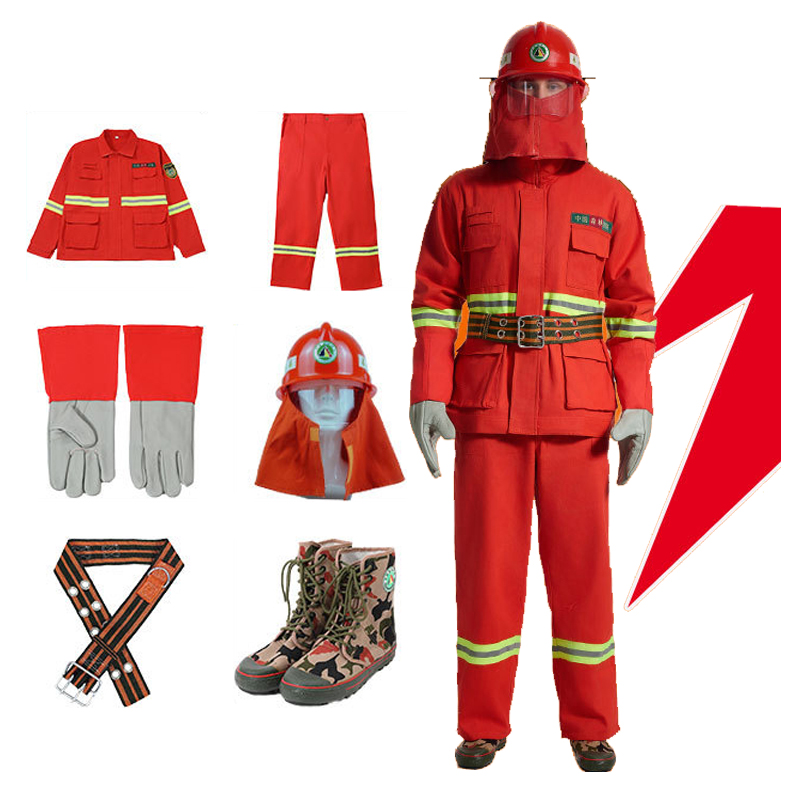
Firefighting suits, known as Structural Firefighting Gear or Turnout Gear, are full-body personal protective suits worn by firefighters during firefighting and rescue missions. They are the most important life support system for firefighters in the face of extreme hazards such as high-temperature flames, high-temperature heat radiation, chemicals, and sharp object collisions, rather than ordinary work clothes. The core definition includes the following elements:
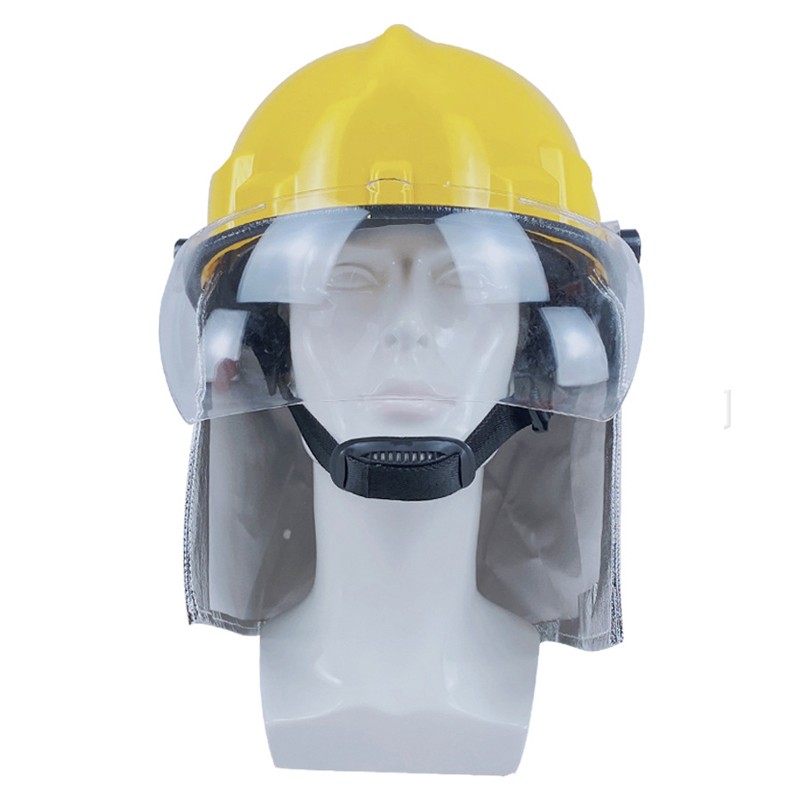
Fire helmets are comprehensive personal protective equipment worn by firefighters during firefighting and rescue missions to protect the head from a variety of injuries such as falling objects, flame burning, high temperature heat radiation, electric shock, lateral extrusion, and liquid chemical splashing. It is one of the most visible and critical components of firefighter personal protective equipment (PPE) and is known as "the firefighter's second life".
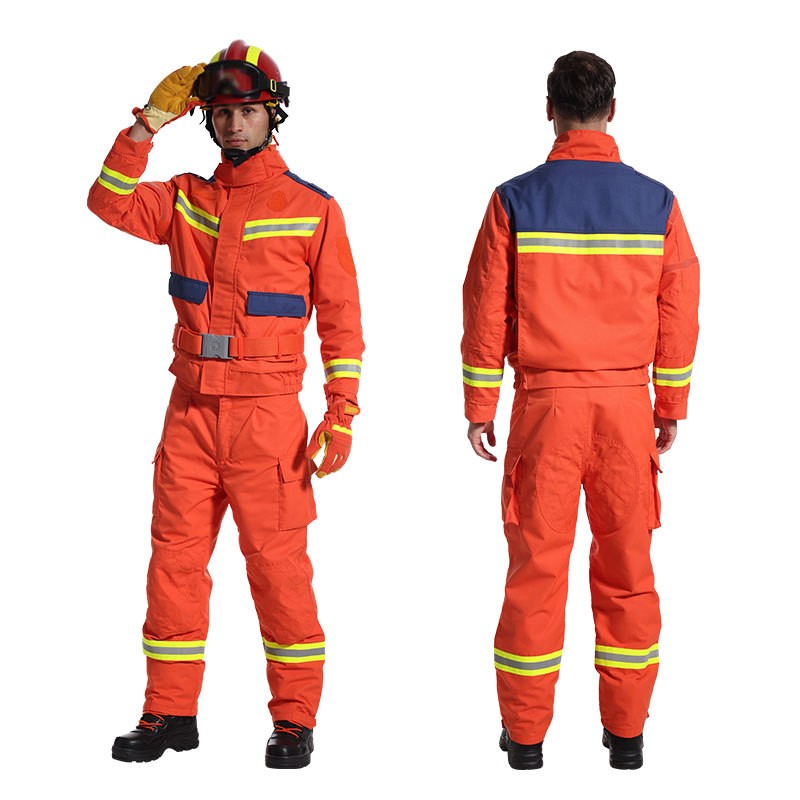
Emergency rescue suits, professionally known as technical rescue suits or multi-functional rescue suits, are all-round personal protective equipment designed to deal with a variety of complex and dangerous rescue scenarios. It is between heavy structural fire suits and lightweight field fire suits, integrating protection, mobility and functionality. It is the core protective equipment for rescuers to perform tasks in natural disasters (earthquakes, floods), traffic accidents (vehicle demolition), wild fires and complex industrial environments.
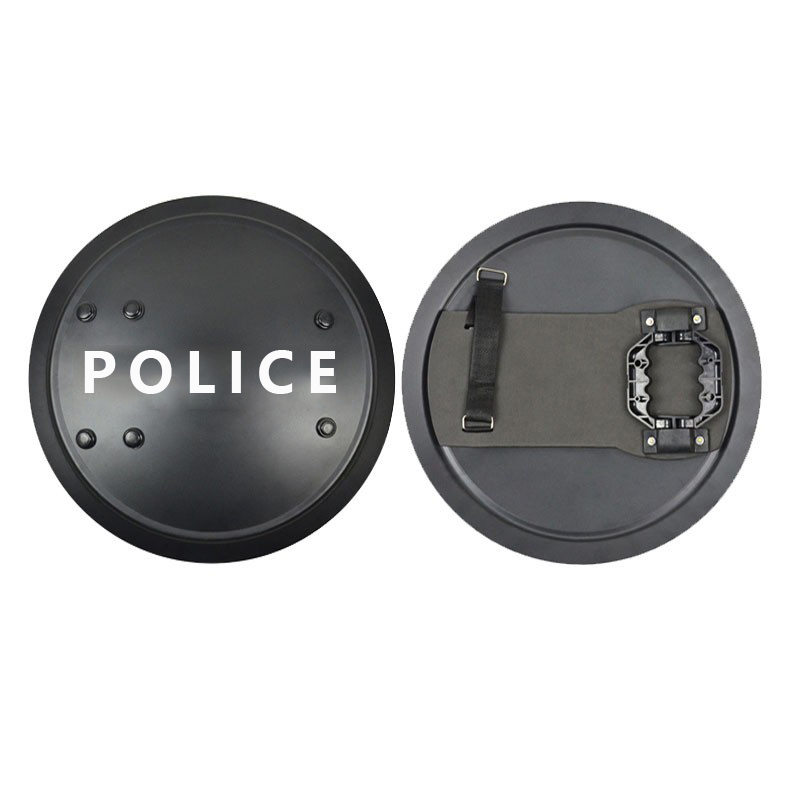
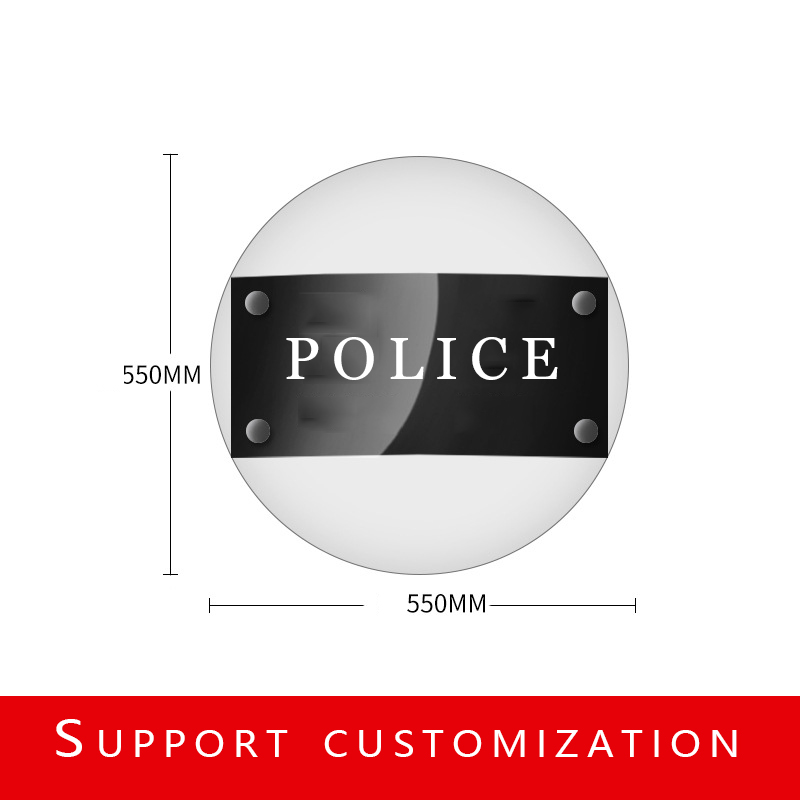
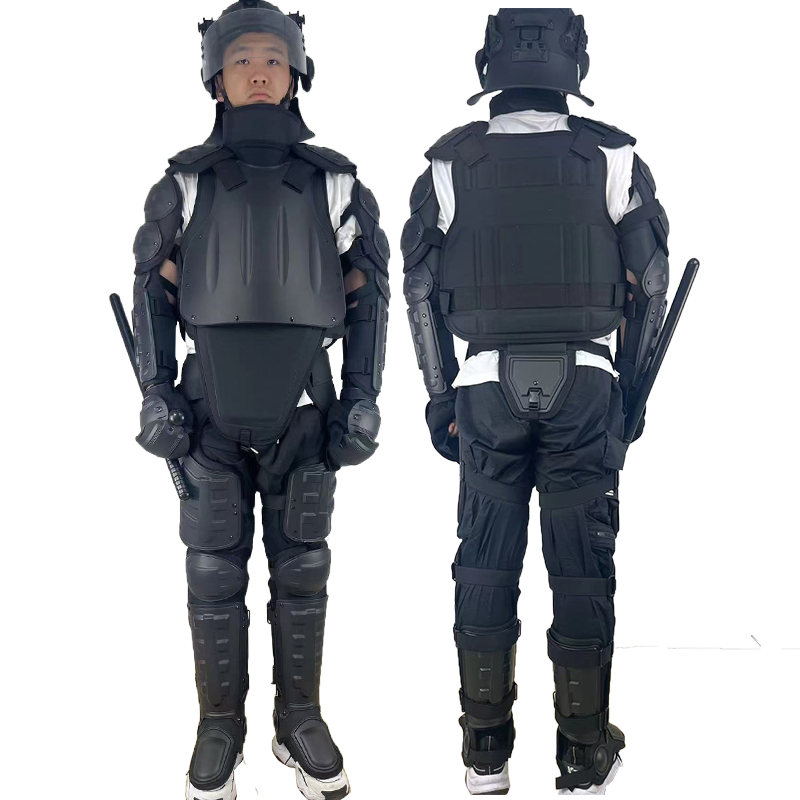
The Riot Shield is a type of protective equipment designed for law enforcement personnel, security personnel, and protest conflict scenarios. The main body is made of a high-strength transparent material (e.g., polycarbonate/acrylic/acrylic), which has the following core characteristics: Impact Resistance: Resistance to blunt objects, projectiles, and body impacts. Lightweight design: easy to maneuver in hand for a long time. Transparent Visibility: Maintains visual field while providing face protection. Multi-function Attachment: can integrate lighting, camera modules, or stab-resistant layers. Customization Custom Solutions: Support Logo Printing, Custom Sizes, Reinforced Design, and OEM/ODM production Wholesale Purchase (Wholesale) Bulk Orders: Applicable to invited tenders (Government Procurement), Security Companies and Wholesale Suppliers, with MOQ 50 minimum order and Volume Discounts. If you have any interest item,you can contact me. Whatspp/Wechat:+86 13377883692 Email address:[email protected]
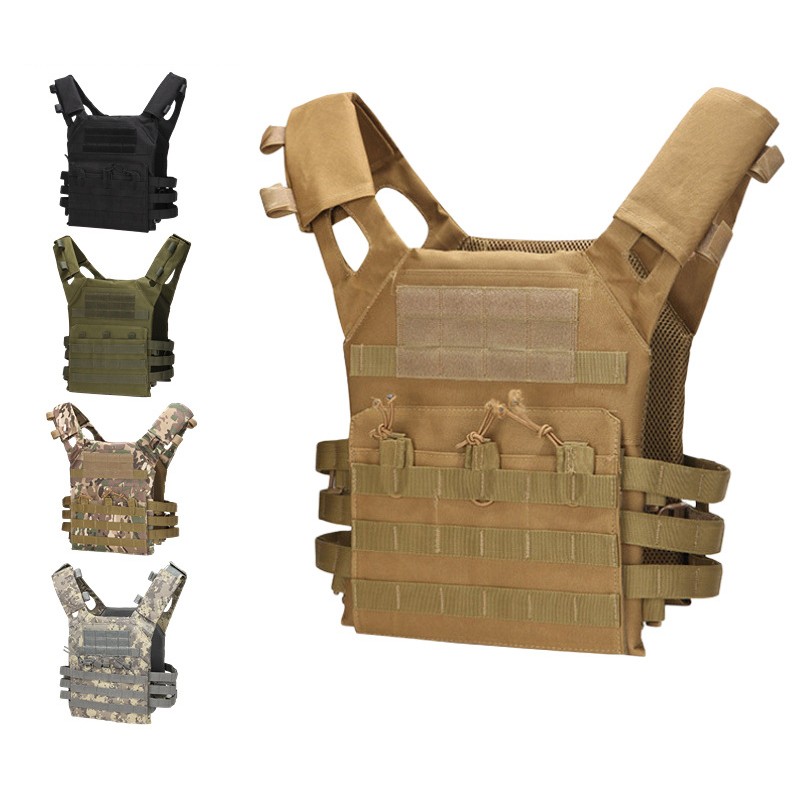
In the crucial tasks of maintaining national security and social stability, government and military personnel often find themselves on the front lines of danger, facing various potential ballistic threats. A reliable and suitable bulletproof vest has become a key line of defense to safeguard their lives. We focus on providing customized bulletproof vest services for the government and the military, and are committed to meeting the stringent requirements in different mission scenarios. Whatspp/Wechat:+86 13377883692 Email address:[email protected]
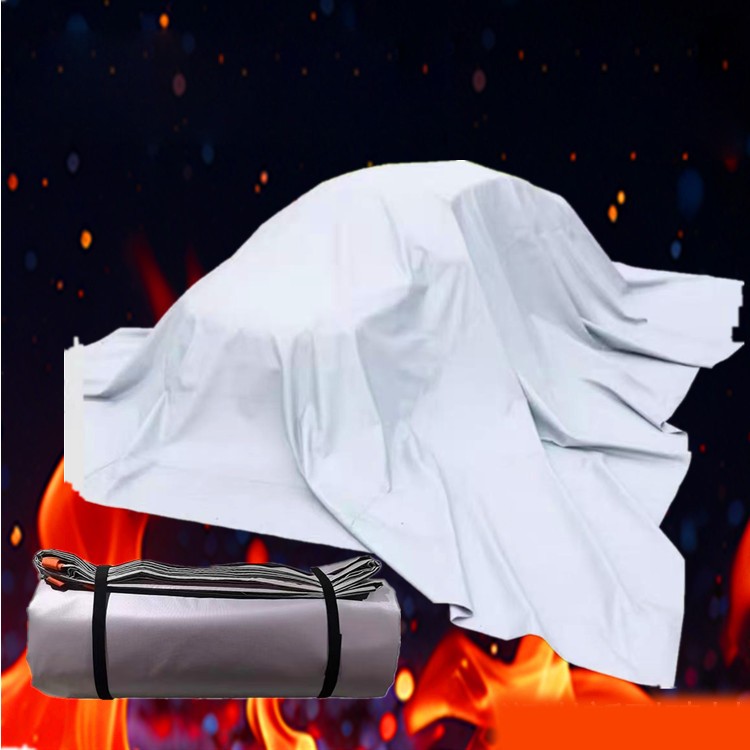
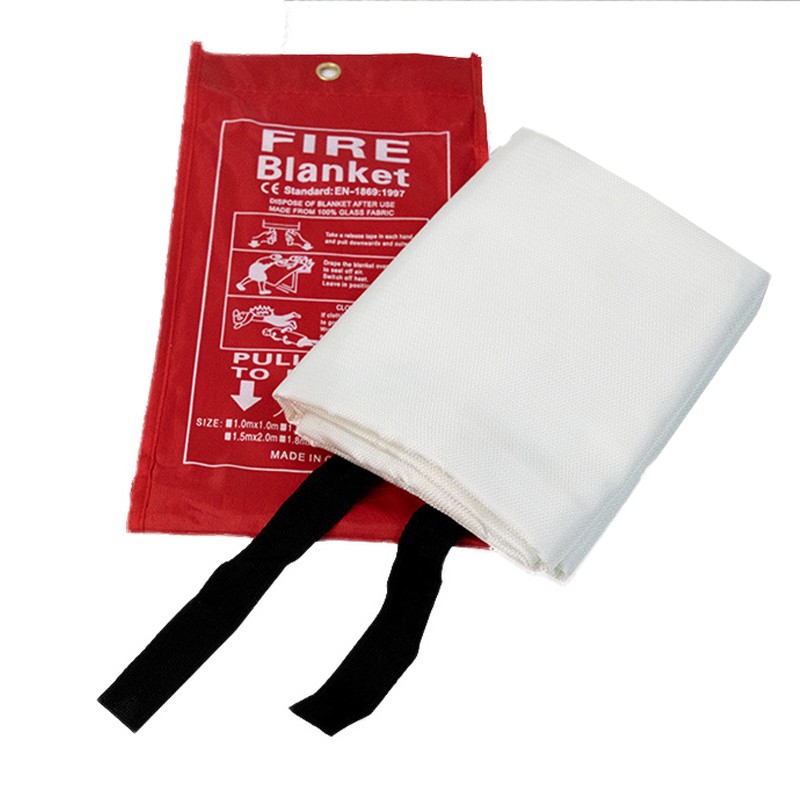
A car fire blanket is a type of emergency rescue equipment designed for vehicle fire scenarios. It is made of high-strength, high-temperature flame-retardant materials (such as fiberglass cloth and covered with aluminum foil reflective layer), and is usually rectangular in shape to cover the engine compartment of the car. Its core functions are: Choking fire extinguishing: When a fire breaks out in the engine compartment, tires, or parts of the vehicle, quickly cover the fire with a blanket and extinguish the open fire by isolating the air. Heat insulation and reflection: The aluminum foil layer on the surface can effectively reflect most of the radiant heat, delaying the spread of the fire and providing valuable time for the crew to escape and wait for the arrival of the professional fire brigade. Emergency protection: In an emergency, it can also be worn as a personal escape blanket to protect users from getting out of the fire and avoid being burned by heat and flames. It is widely used in on-board emergency kits for private cars, buses, and freight vehicles, and is a more intuitive and effective initial fire response tool than on-board fire extinguishers.